
Green transition in fisheries and shipping
The green transition in fisheries and shipping is a complex transformation that is no longer a future ambition, but a necessary reality. How can emissions from fisheries and shipping be reduced while still ensuring value creation and resilient coastal communities? These questions were at the heart of the session “Green transition in fisheries and shipping – where are we, and where are we heading?” at the Blått kompass (Blue Compass) 2025 ocean conference. Researchers, public authorities and industry representatives shared their perspectives on both the challenges and opportunities for a more sustainable fisheries and maritime sector.
Emissions as a complex interplay
Bent Dreyer, Research Director at Nofima, opened the session by highlighting how greenhouse gas emissions from the fishing fleet are shaped by a complex interplay between ecosystems, technology and economics. Where, what and how fish are harvested has a major impact on energy use in fisheries, and consequently on emissions. Effective management of fish stocks, appropriate gear use and well-adapted vessels are therefore crucial to the green transition in fisheries.
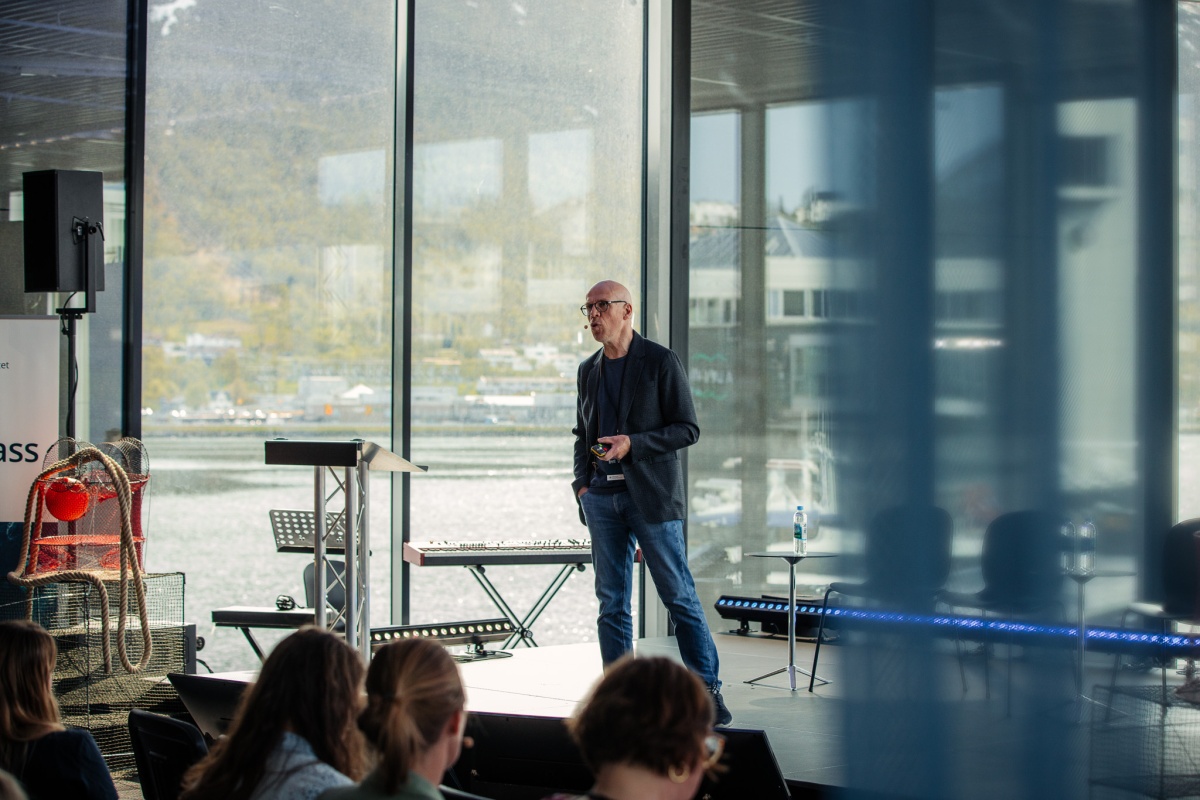
At the same time, Dreyer pointed out that the most important current policy instrument influencing emissions—quota allocation—is largely fixed. As a result, taxation and fee systems have become the primary tools available today. He emphasised that incentives must be designed to encourage greener operations, and that goal conflicts need to be addressed in a more holistic manner.
The green transition requires collaboration
Christine Adal, Business Development Manager at DNV, outlined the broader picture for the green transition in the maritime sector. The Paris Agreement, IMO commitments and EU climate policy are all powerful drivers of change. The ambition of zero emissions from the shipping sector by 2050 clearly demonstrates the scale of action required.
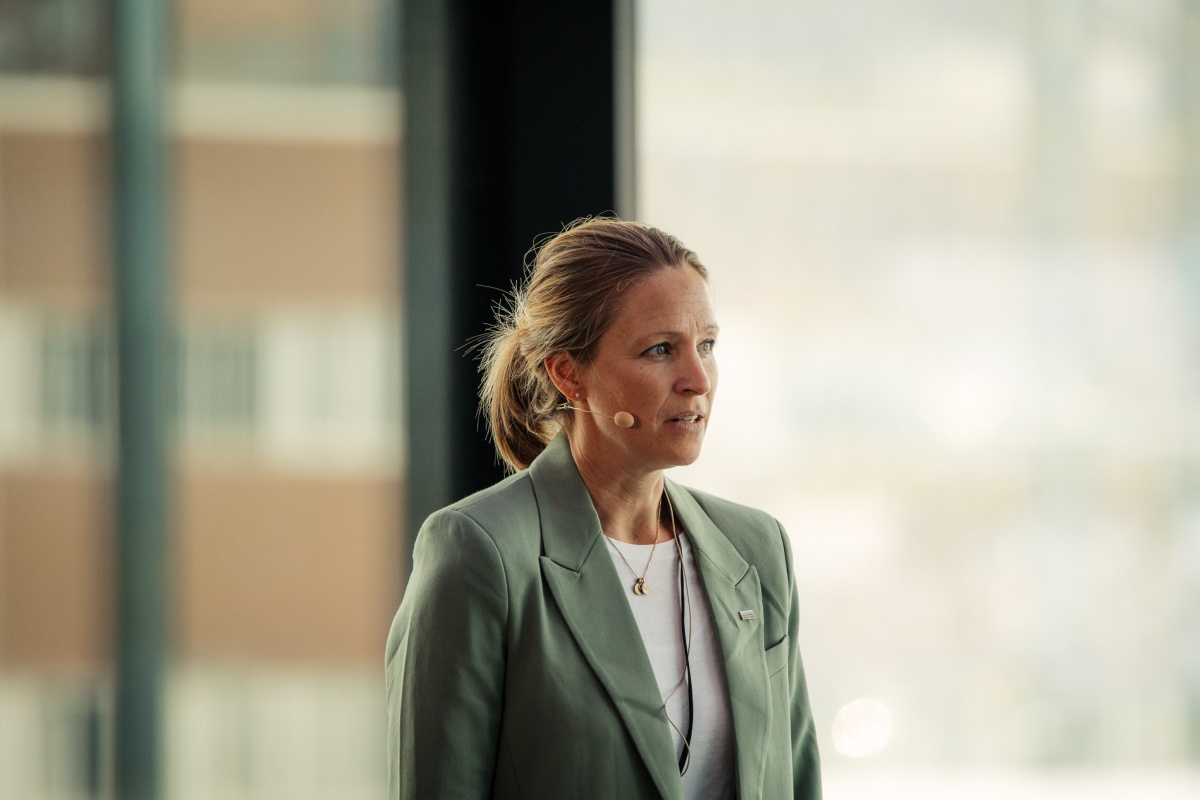
Adal stressed that energy efficiency must be improved before changing energy sources, and highlighted Norway’s ferry sector as a model for progress. She concluded by quoting DNV’s CEO from a few years ago, underlining that no one can achieve a zero-emission vision alone:
“Collaboration is the fuel for the future.”
Technology for people along the coast
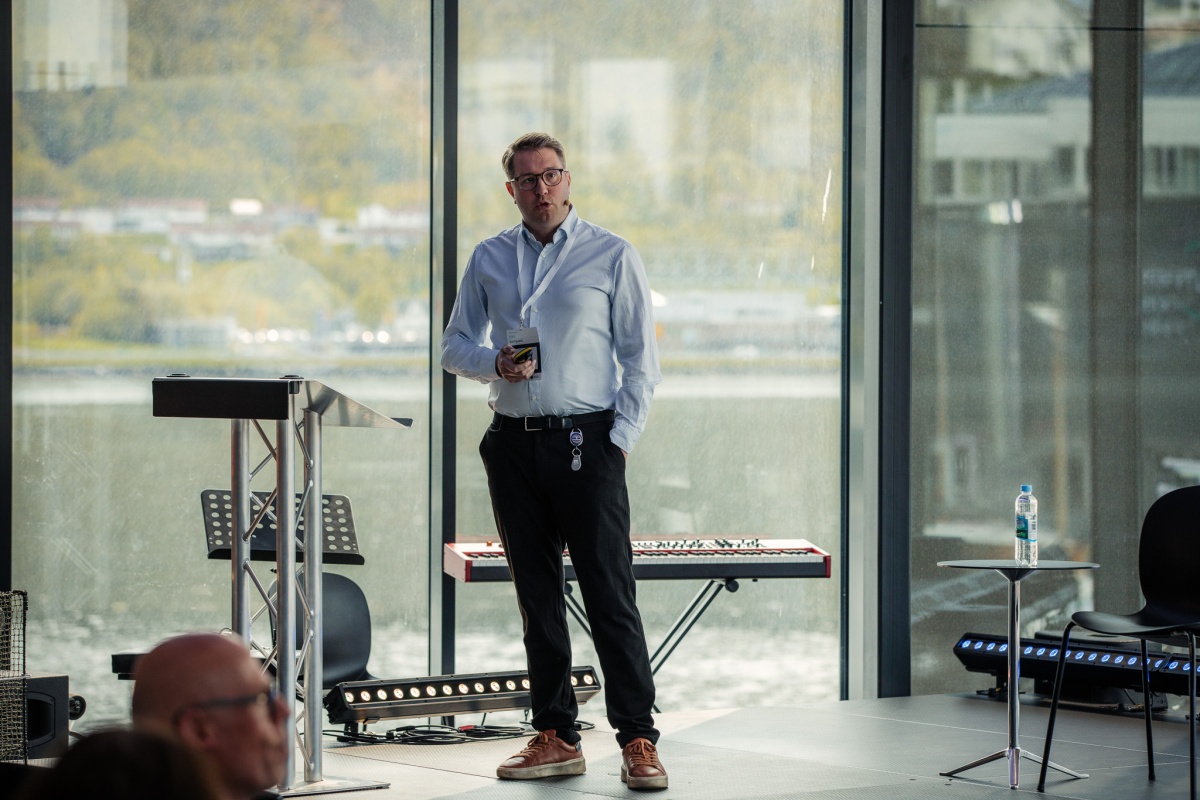
The third presentation, by Marius Hansen from Torghatten, served as an important reminder that the green transition is also about people. Torghatten is among the actors leading the way towards zero-emission maritime public transport, with fully electric ferries already in operation and hydrogen-powered vessels under development. While technological innovation is central to the company’s work, Hansen emphasised that its vision is for the coast to remain vibrant.
Through this vision, the company commits to supporting thriving local communities through safe, reliable and sustainable operations. To succeed, Hansen highlighted the need for predictable framework conditions—particularly from the authorities.
Panel discussion: what does it take to succeed?
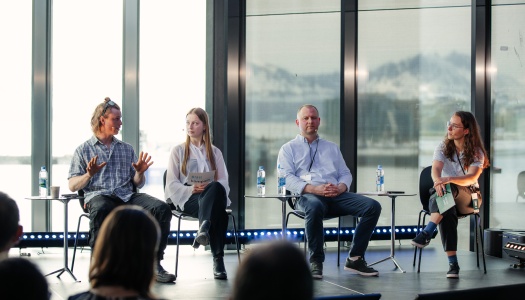
Following the three presentations, the session concluded with a panel discussion on the green transition in fisheries. The discussion addressed some of the most pressing questions facing the sector. The panel consisted of Ina Helene Ahlquist from SINTEF Ocean, Magnus Eilertsen from UiT, and fisher Sigurd Cottis Hoff, moderated by Karen Martinsen from Energi Nord.
Despite technological advances and a growing willingness to change, there was broad agreement that green development in the fishing fleet is progressing too slowly. The panel identified several reasons for this, including economic constraints, safety considerations and a lack of incentives. It was noted that current policy instruments rarely reward green choices, while support schemes are often designed around conventional operations. The panel therefore pointed to the need to shift incentives away from fossil fuel use and towards green technology and innovation.
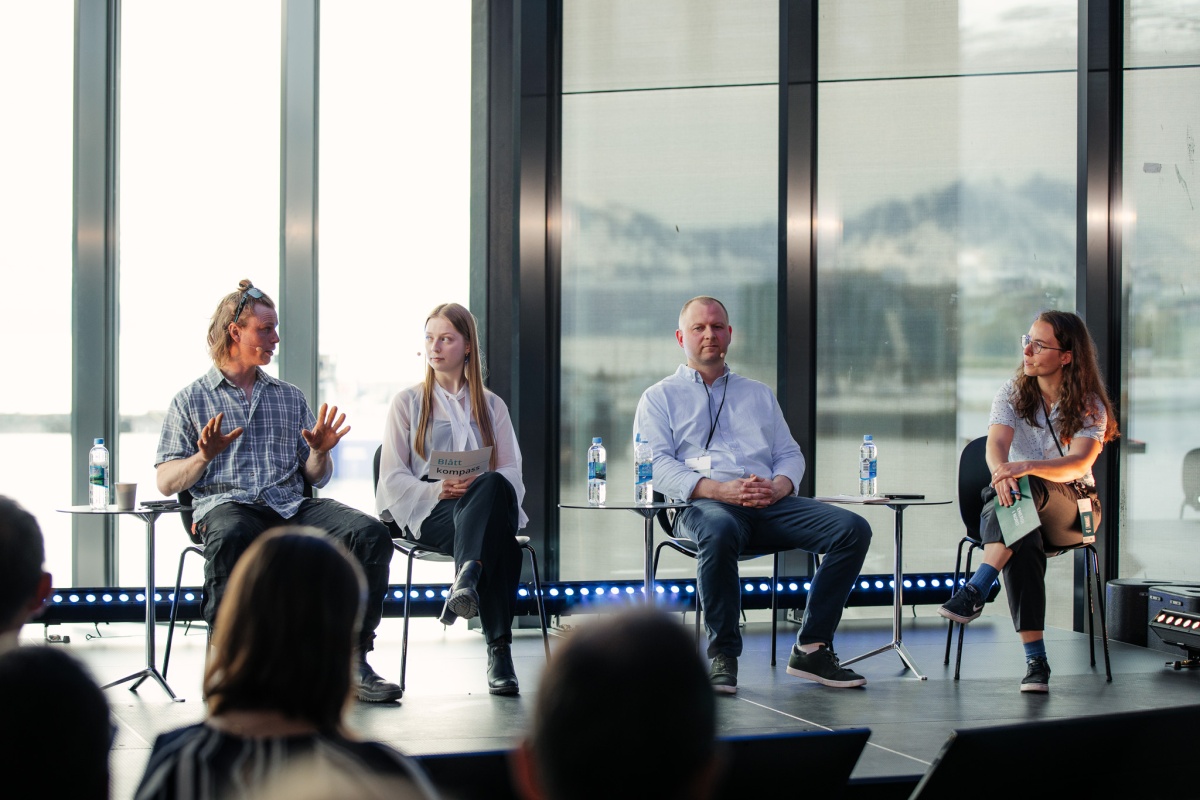
A key point in the discussion was the diversity of the fishing fleet, with highly varied operating profiles. Solutions must therefore be tailored to different vessel sizes, operational patterns and economic conditions. The coastal fleet was highlighted as relatively energy-efficient, but also as facing limited space for new technology on smaller vessels. In addition, there are clear infrastructural constraints, such as a lack of charging facilities and limited energy access along the coast.
The panel agreed that political measures, economic instruments and technological development must go hand in hand if ambitions for a greener sector are to be realised. Participants called for greater willingness to test, fail and learn in order to accelerate change, while also stressing the importance of not rushing ahead. Instead, they argued for building supporting infrastructure and showcasing solutions that work before scaling up. Demonstration projects, regulatory adjustments and targeted support schemes were highlighted as key steps forward.