A New Chapter for the Arctic Council: Greenland Takes Over Leadership
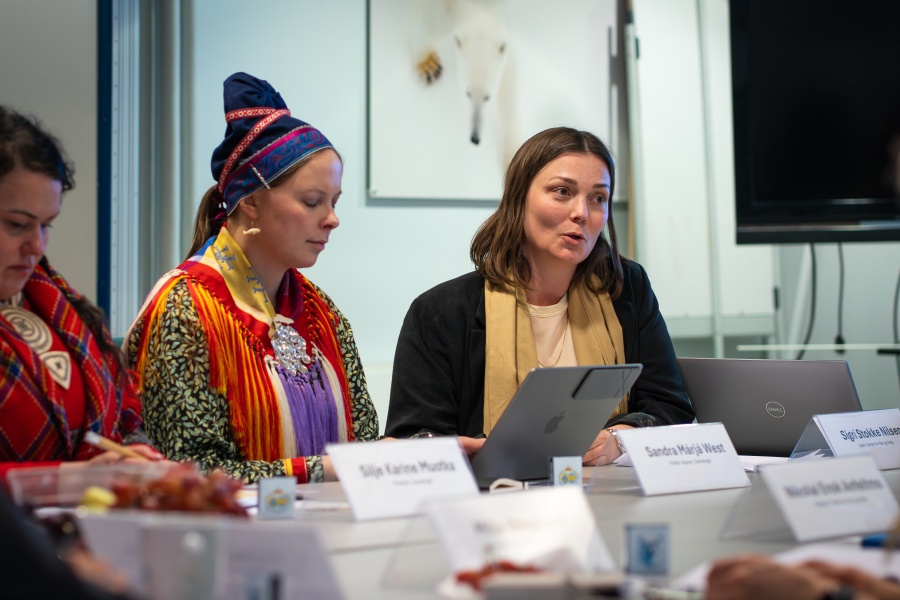
This week, Kalaallit Nunaat/Greenland assumed the chairmanship of the Arctic Council during the 14th Ministerial Meeting in Tromsø. As part of the program, the Center for the Ocean and the Arctic at UiT participated in a roundtable discussion at the invitation of the Ministry of Foreign Affairs.
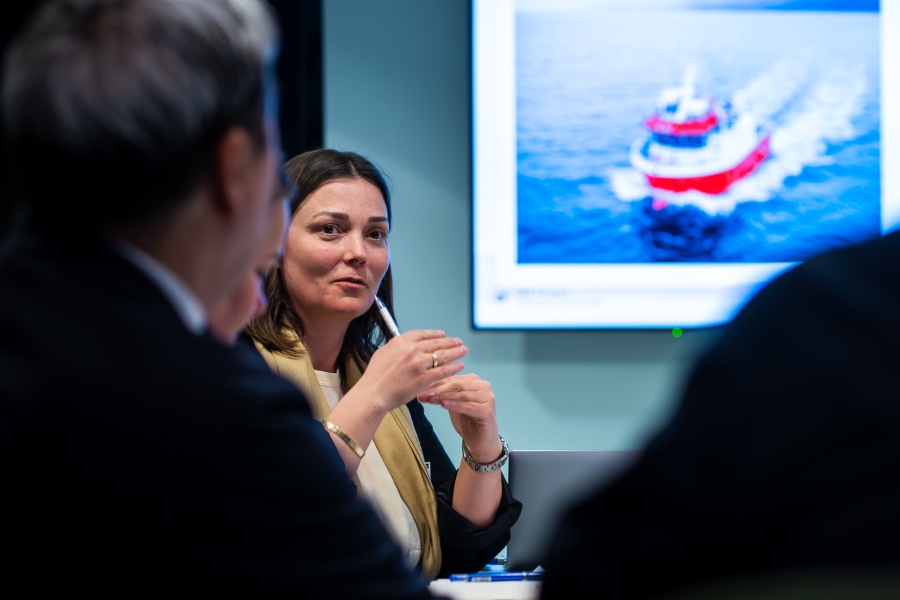
– "The security situation in the north is changing, and this affects how we must think about management, knowledge development, and industry. We see a clear need for better frameworks, cross-sectoral meeting places, and real-time situational awareness," said Sigri Stokke Nilsen, Acting Director of the Center for the Ocean and the Arctic at UiT The Arctic University of Norway.
Passing the Baton to Greenland
On Monday, Sigri Stokke Nilsen participated in a roundtable meeting organized by the Norwegian Polar Institute, led by Director Camilla Brekke, in connection with Denmark, through Greenland, taking over the leadership of the Arctic Council.
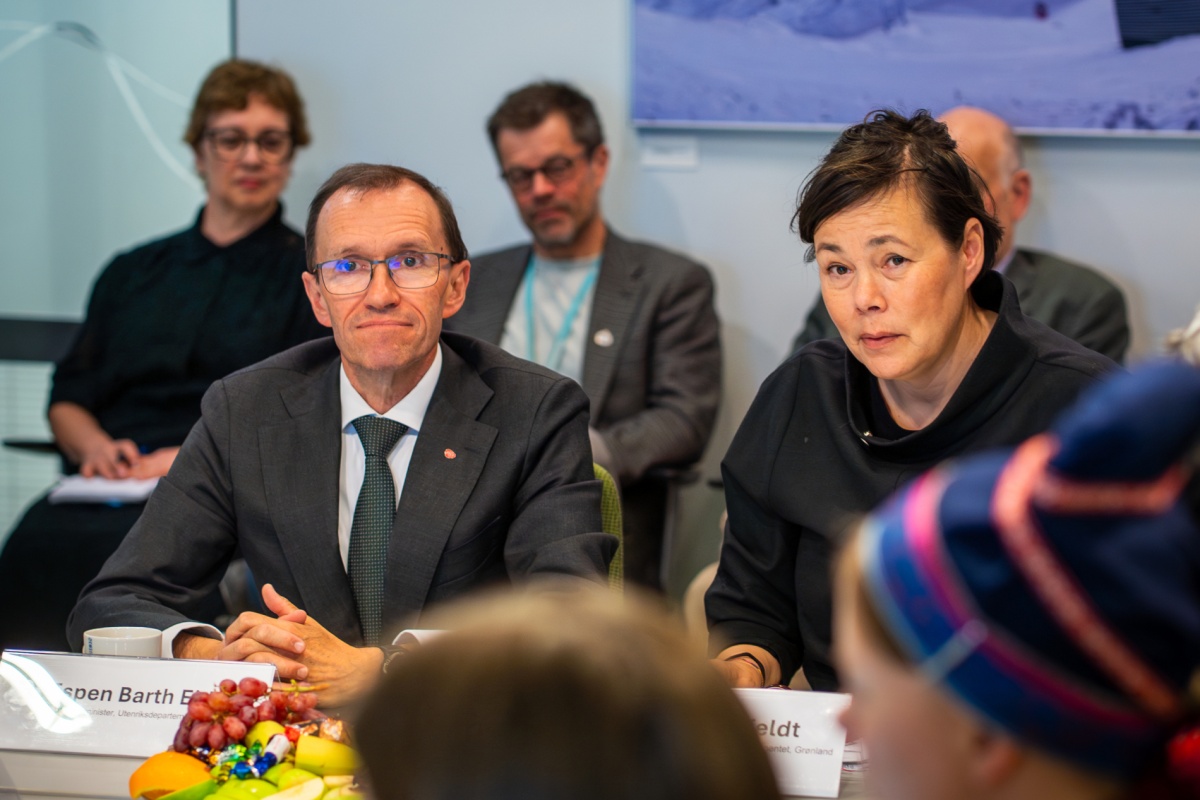
After two years of Norwegian leadership, Foreign Minister Espen Barth Eide handed over the baton to Greenland's Minister of Foreign Affairs, Vivian Motzfeldt, who will lead the council on behalf of Denmark. In a time marked by rapid climate change and increasing geopolitical unrest, science, collaboration, and Indigenous knowledge are being highlighted as key tools for future Arctic governance.
– "People are welcome in the Arctic, but the people who live here must have a greater role," said Vivian Motzfeldt in her inaugural speech.
"Maps Are Not Neutral"
Motzfeldt emphasized the need for cross-border collaboration and the sharing of data and knowledge to ensure sustainable development in the north.
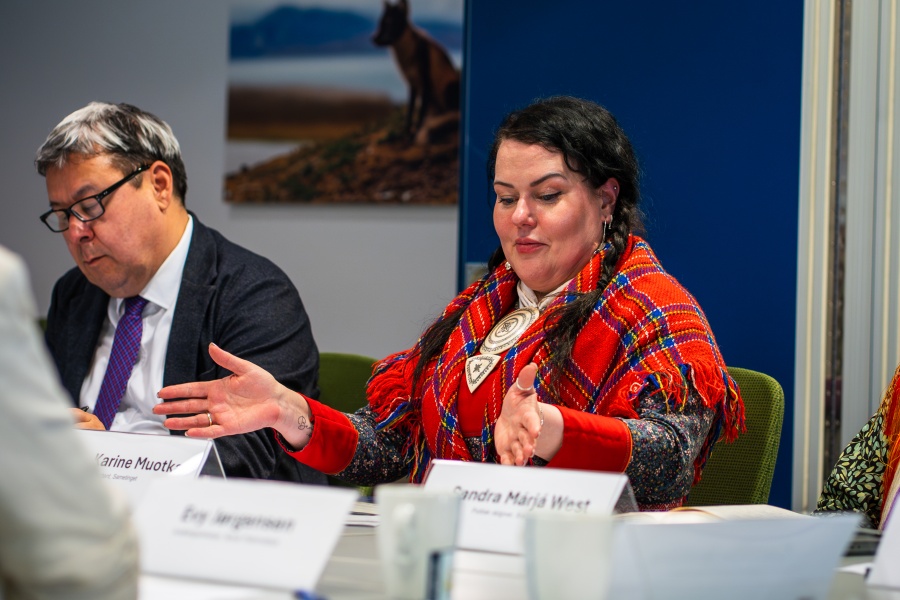
Sami Parliament President Silje Karine Muotka supported Motzfeldt's message and stressed the importance of highlighting Indigenous knowledge and historical presence through mapping and naming:
– "Maps are not neutral – they express both power and perspective. The names we use shape the understanding of an area. Therefore, we must recognize the names given by those who have lived here for generations. It is about respect, belonging, and historical rights. I urge everyone working with governance, research, and mapping in the Arctic to take this seriously," said Muotka.
The Role of Science in a Changing Arctic
Camilla Brekke, Director of the Norwegian Polar Institute, warned against falling into "wait-and-see mode" in the face of rapid changes in the Arctic. She highlighted the importance of long-term and collaborative knowledge initiatives, such as the Fifth International Polar Year (IPY) in 2032/33 and the national research initiative Polhavet 2050.
Polhavet 2050 is a collaboration between 18 Norwegian institutions, with the preliminary project led by Professor and Dean Jørgen Berge at UiT The Arctic University of Norway. The initiative aims to develop an updated knowledge base for a future ice-free Arctic Ocean, addressing geopolitical, ecological, and industrial consequences of climate change in the north.
Ocean Industries and the New Security Landscape
In light of increased geopolitical tensions in the north, the Center for the Ocean and the Arctic has also launched a project examining how ocean industries are affected by the new security landscape. The goal is to contribute to a better understanding of the industries' role in total preparedness and to identify solutions that combine sustainability, societal security, and industrial development in a more challenging risk environment.
– "If ocean industries are to contribute to total preparedness in the north, they must not only be included but also given responsibility, resources, and predictability," said Stokke Nilsen.
UiT in Nuuk: From Local Voices to Global Collaboration
As part of Greenland's chairmanship of the Arctic Council, UiT The Arctic University of Norway will participate in two events in Nuuk, Greenland, on August 3–4. On August 3, the handover of the Arctic Mayor’s Forum leadership from Tromsø to Sermersooq is planned to be marked with a seminar focusing on youth mental health, sustainable tourism, and education in the north.
The following day, UiT and the Arctic Council Secretariat will host an open event aboard the sailing ship Statsraad Lehmkuhl, which will sail through the Northwest Passage for the first time with 120 students and 40 researchers under UiT's leadership. The journey is part of the One Ocean Expedition and highlights knowledge, collaboration, and the future of Arctic societies.