Indigenous Knowledge as a Key to Sustainable Ocean Management
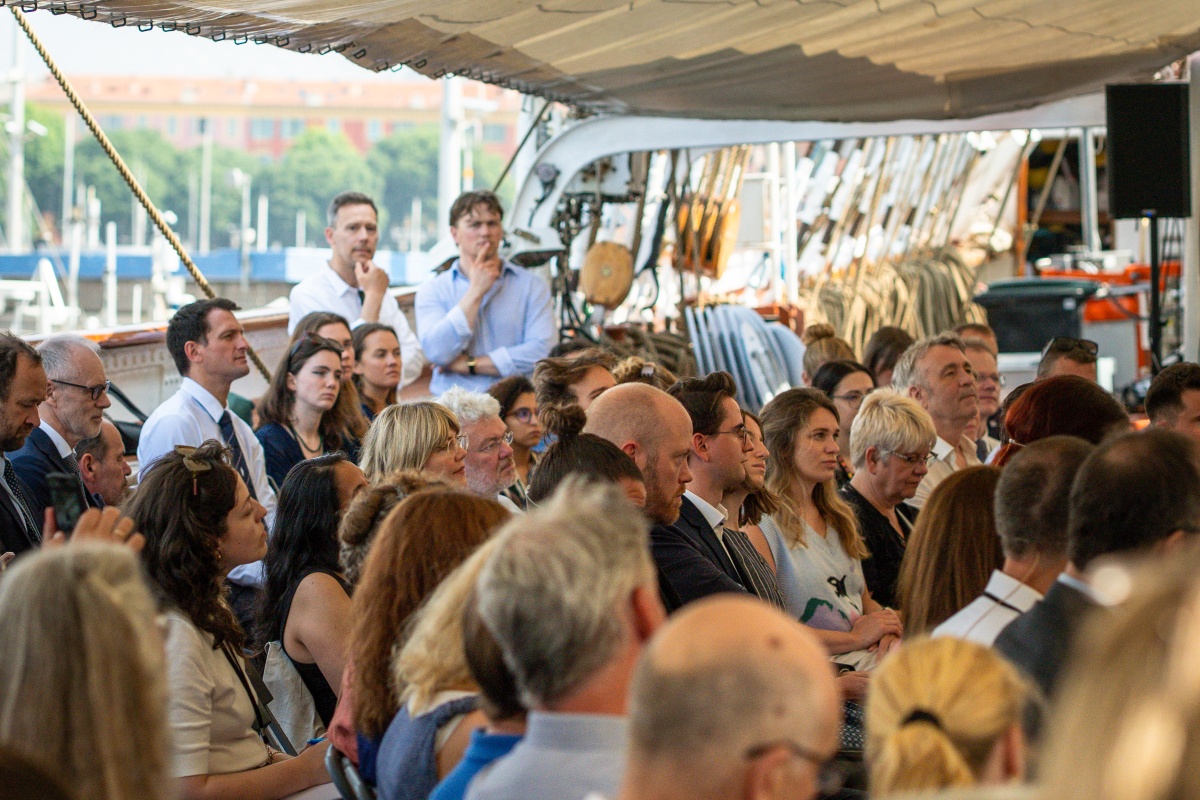
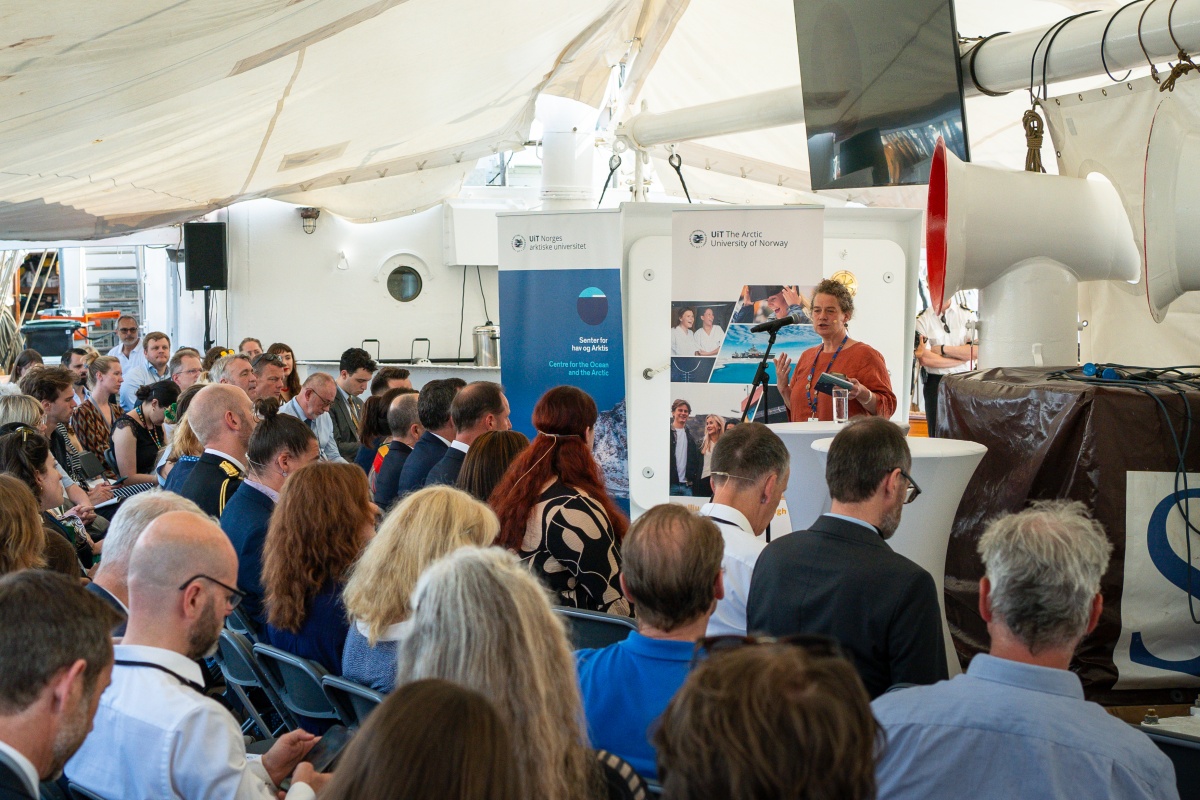
During the UN Ocean Conference (UNOC) in Nice, the Arctic took center stage. Aboard the sailing ship Statsraad Lehmkuhl, UiT - The Arctic University of Norway and the Center for the Ocean and the Arctic gathered leaders, researchers, students, and Indigenous representatives to discuss how collaboration between scientific and traditional knowledge is crucial for protecting the ocean for future generations.
The discussions highlighted how experiences from the Arctic can contribute to global ocean management, not only through data and technology but also through dialogue and partnerships with those who live closest to the ocean.
Arctic Knowledge on the Global Stage
"The Arctic must be a global priority," said UiT Rector Dag Rune Olsen in his opening speech.
"What happens in the north affects the entire planet. Management must be knowledge-based and inclusive, ensuring that Indigenous knowledge and the voices of youth are heard."
Olsen’s message set the tone for the day: The Arctic can provide important lessons to the rest of the world about cross-border collaboration, uniting experience and observation, and policies that balance sustainable use with conservation.
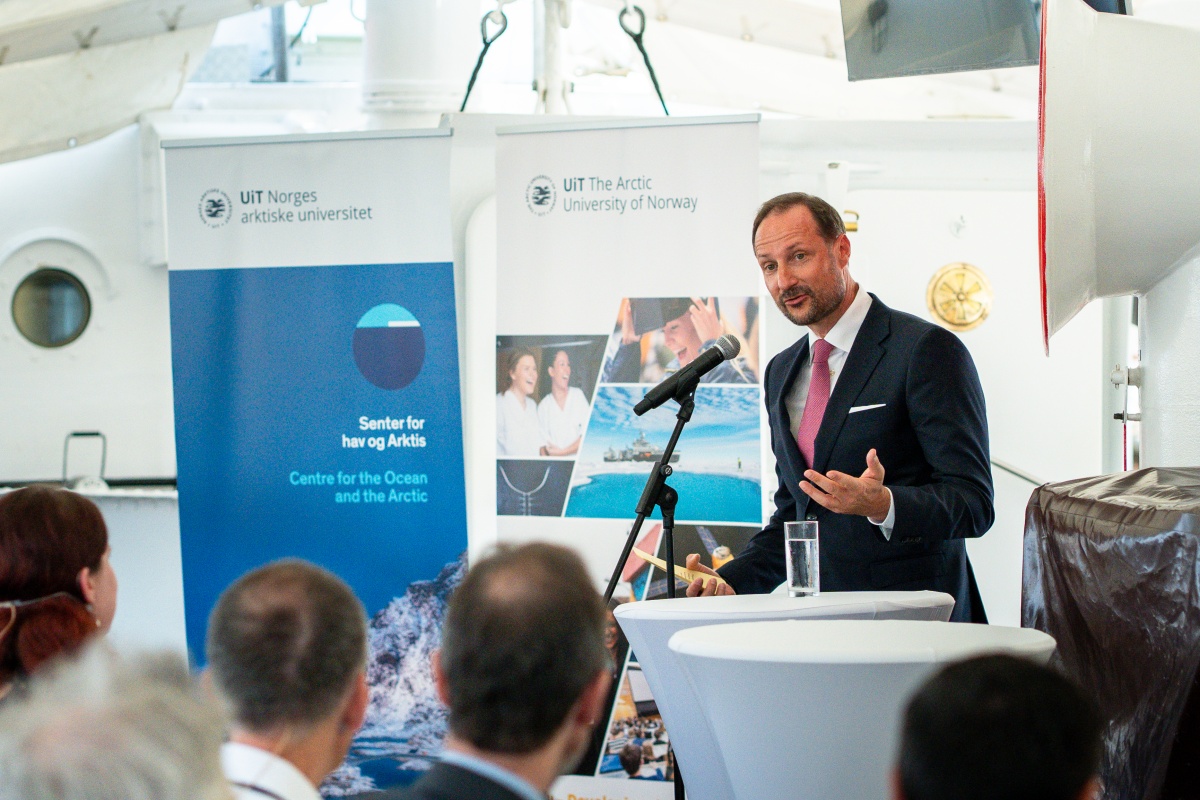
H.R.H. Crown Prince Haakon supported this message, sharing his own experiences from Arctic expeditions and how witnessing climate change up close has shaped his sense of responsibility.
"Being an Arctic nation is both a privilege and a responsibility. We must continue to find the balance between sustainable use and conservation of ocean areas," said the Crown Prince.
He also thanked UiT students for their engagement: "We will need your knowledge, perspectives, and curiosity to face the challenges ahead."
The UN Perspective: What Happens in the Arctic Affects Everyone
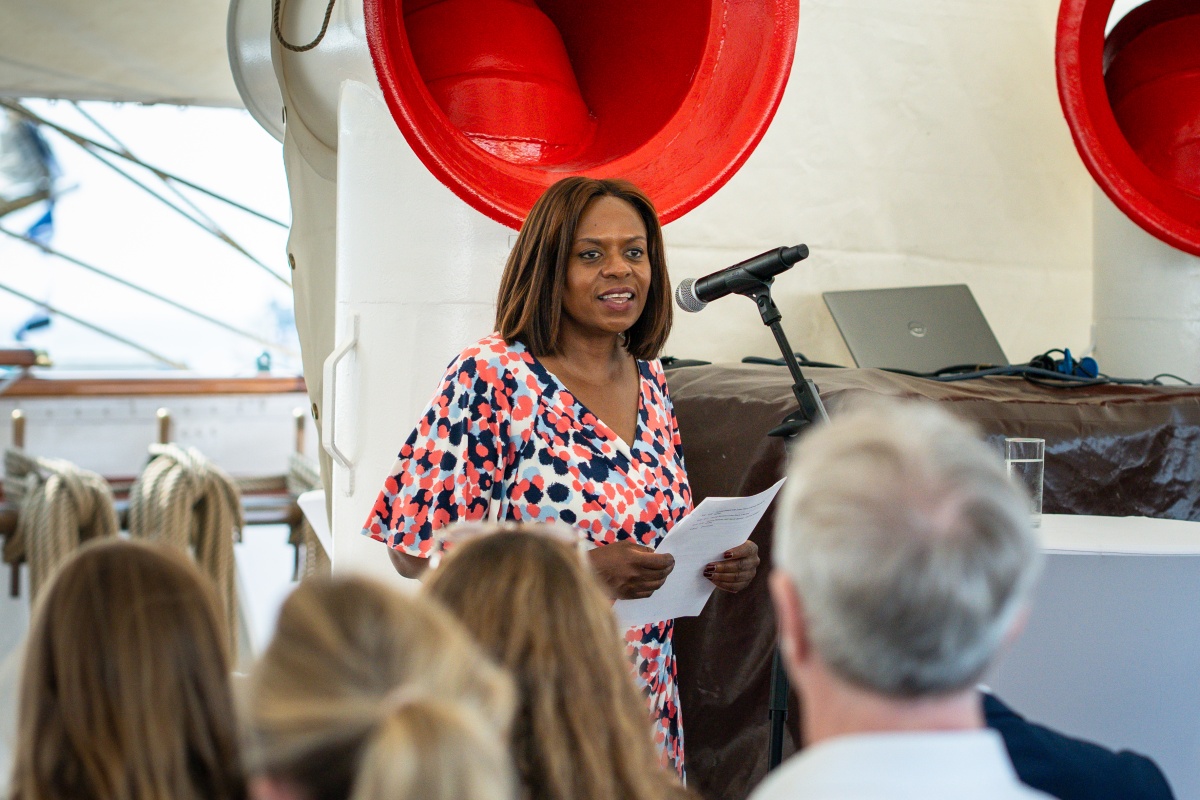
Representing the UN, Sanda Ojiambo, Assistant Secretary-General and CEO of the UN Global Compact, linked Arctic management to the global Sustainable Development Goals.
"What happens in the Arctic does not stay in the Arctic," said Ojiambo. "This region is a warning for the entire planet, affecting climate, ocean currents, sea levels, and ecosystems worldwide."
She emphasized the need for stronger collaboration between governments, businesses, academia, and Indigenous peoples, adding:
"Science must lead, but it must also listen."
Indigenous and Traditional Knowledge at the Center
Listening to people, places, and the ocean was a recurring theme throughout the session.
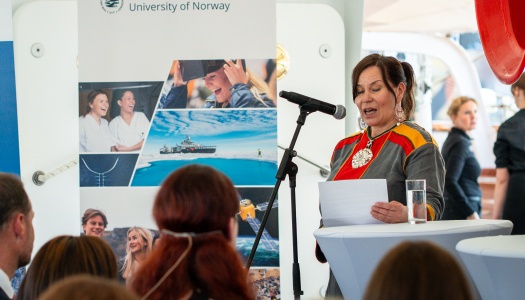
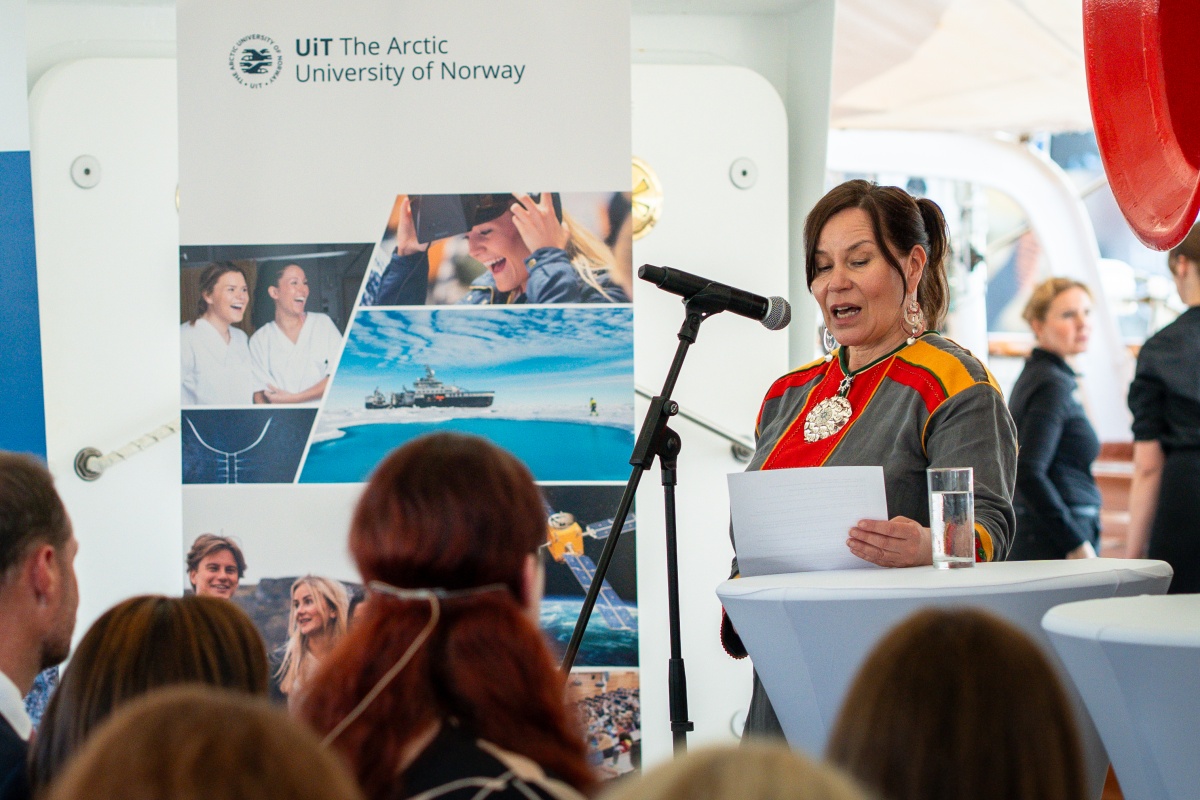
One of the key contributions came from Beate Bursta, a Sámi knowledge bearer from Finnmark, who described an Arctic tradition built on balance between humans and nature, shaped by generations of coastal experience.
"I grew up by the coast and learned respect for the ocean from a young age. We have compared our observations with what science tells us. But what is still missing is for science to listen to what we observe," she said.
Bursta described a Sámi way of life where only what nature can sustainably provide is taken:
"When we become greedy, nature strikes back. If we can build lasting partnerships between traditional and scientific knowledge, we will have a stronger foundation for protecting the ocean."
Her contribution grounded the conversation in lived Arctic experience, reminding participants that sustainability is also about values: respect, reciprocity, and belonging.
From Policy to Practice
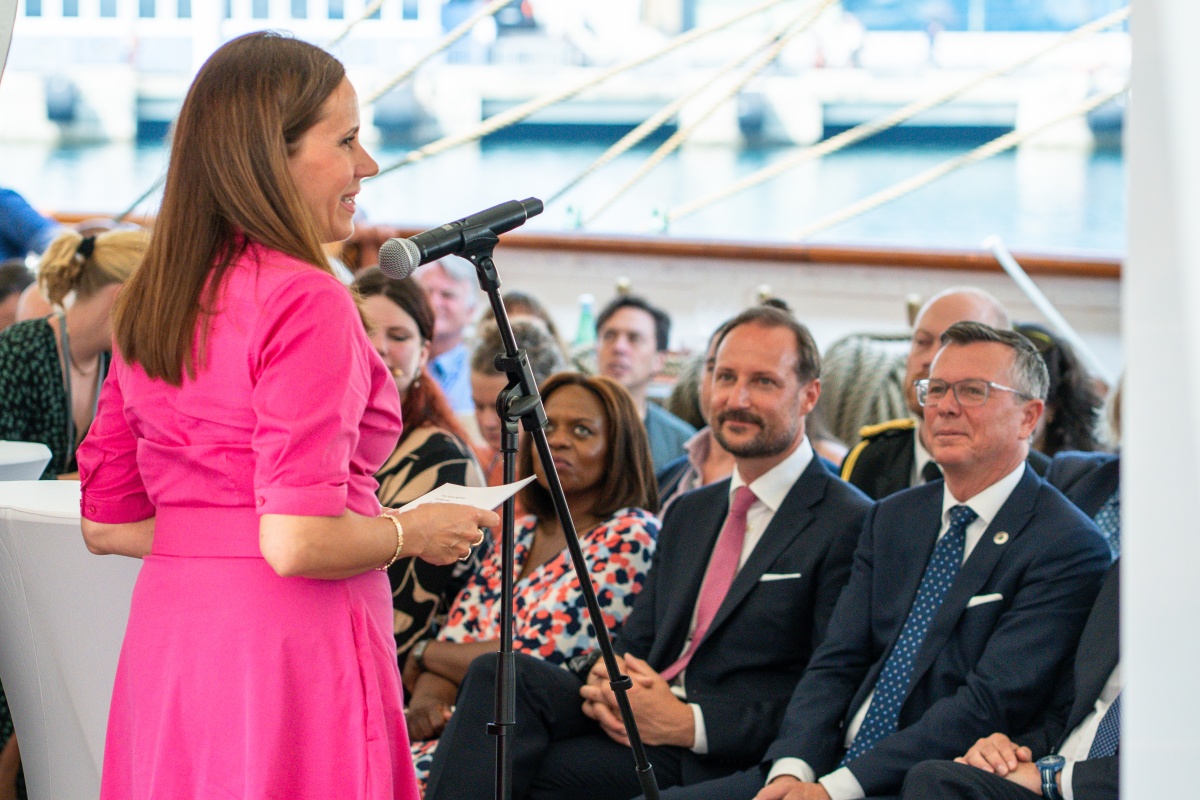
Marianne Sivertsen Næss, Minister of Fisheries and Ocean Policy, highlighted these values as fundamental to Norwegian ocean management.
"The Arctic is not just a place with ice and resources; it is a home. Our task is to build a robust ocean economy that balances opportunities with responsibility."
She emphasized that global challenges require shared solutions based on collaboration, knowledge, and respect for local communities.
"Together with local communities, researchers, and industry, we want to shape the future of the North, not let it be shaped for us."
From the research community, Peter Haugan of the Institute of Marine Research pointed out that changes in the Arctic are happening faster than models predicted:
"The knowledge of those who live with the ocean every day is essential for understanding what is actually happening."
Rodd Laing, representing the Nunatsiavut Government in Canada, stressed that real climate adaptation must come from the ground up:
"Our communities have always been adaptive and resilient. But the changes we experience today are not the result of our actions. True adaptation must happen collectively, with policies developed from the grassroots."
Susanna Fuller, Vice President of Oceans North, participated from civil society and called for humility and openness in research:
"Learning from the Sámi, Inuit, and others who have been here for generations and hold much of the knowledge and solutions is incredibly important. I’ve spent much of my career relearning and unlearning what I was taught in academia. Science can sometimes be a limitation, even a form of imperialism, when it ignores the knowledge we need to understand as humans."
Future Arctic Leaders
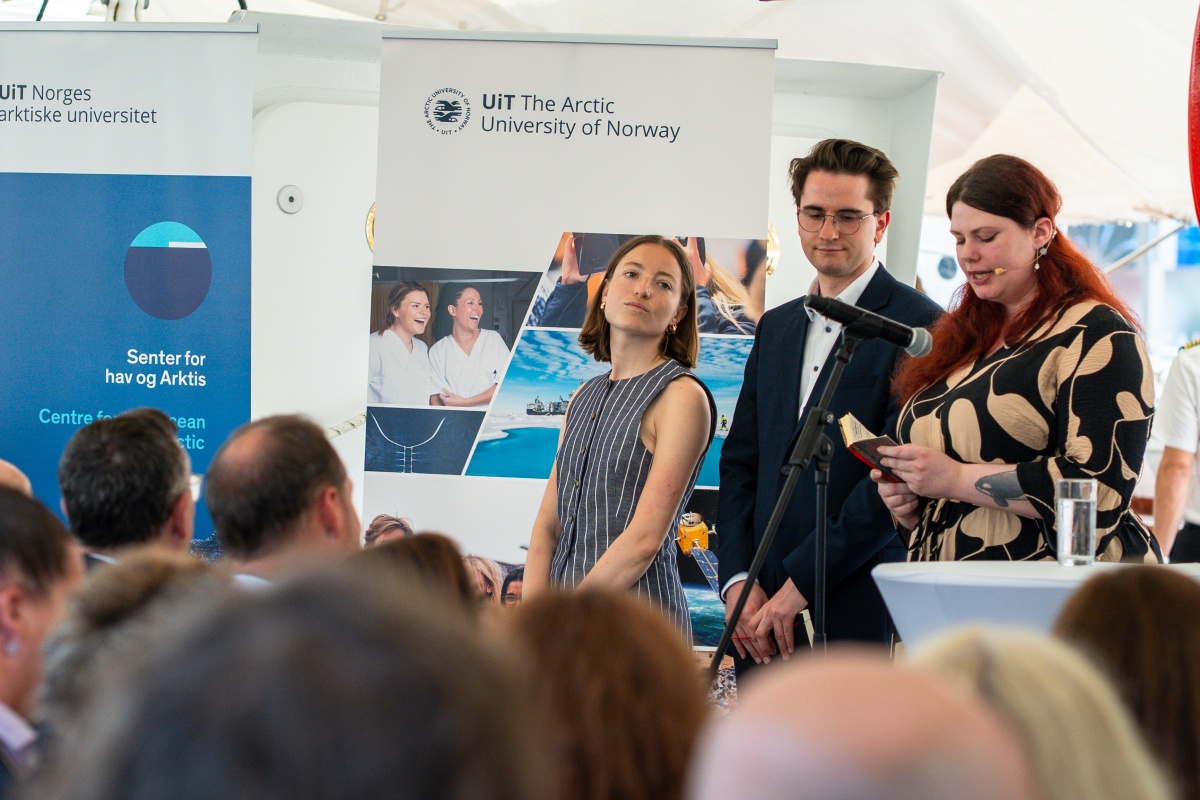
The next generation of Arctic voices also took the stage. Mathis Jacob Schulz, Yara Nieuwenhuis, and Soraya Gratton, all students at UiT, presented the upcoming course Arctic Future Pathfinders.
Later this year, 120 students from 18 countries will sail through the Northwest Passage, combining science, policy, and Indigenous knowledge in an interdisciplinary field course.
"A holistic Arctic approach is not optional; it is essential. Climate change, biodiversity loss, and geopolitics respect no borders, and neither should our learning," said Schulz.
The students’ project illustrated how education can bridge knowledge systems and generations to find sustainable solutions.
Trust Across Borders
The discussions were led by UiT Pro-Rector Jan-Gunnar Winther and Sigri Stokke Nilsen, Acting Director of the Center for the Ocean and the Arctic.
"The Arctic can teach the world that sustainability begins with relationships between people, knowledge, and places," said Winther.
As the session concluded, the conversation returned to its core: the connection between knowledge, community, and care for the ocean. All agreed that progress depends on trust – between science and society, and between global policy and local experience.
A Shared Responsibility for the Ocean
The message from the Arctic reached far beyond Nice. In her closing words, Beate Bursta shared a hope for the future, rooted in self-determination and respect:
"What if we imagine something different, a future where Sámi people are trusted to develop our own communities, where we have the freedom to think innovatively and act on our own terms? The ocean needs those who love it, those who protect it because it is our home."
Her reflection captured the essence of the Arctic’s message to the world: Protecting the ocean’s future requires collaboration, knowledge – and the willingness to listen.