Future solutions require young people to have a seat at the table
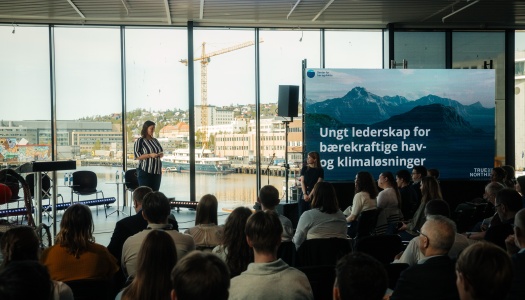
At the Blått kompass (Blue Compass) ocean conference, organised by the Centre for the Ocean and the Arctic, strong emphasis was placed on the younger generation and their role as leaders. The session “Young Leadership for Sustainable Ocean and Climate Solutions” highlighted how young people are not only the leaders of tomorrow, but already play a significant role in today’s ocean governance.
People, values and vision
In the face of climate change, increasing competition for space, and the urgent need for green solutions, new perspectives, collaboration and a willingness to adapt are required—across generations, sectors and disciplines.
Line Solbakken, Deputy Mayor of Tromsø and specialist in clinical community psychology, opened the session by highlighting the ocean’s place in northern Norwegian identity, industry and culture. She stressed that sustainability is not solely about technology and data, but also about values, people’s everyday lives, and the ability to collaborate across different forms of knowledge.
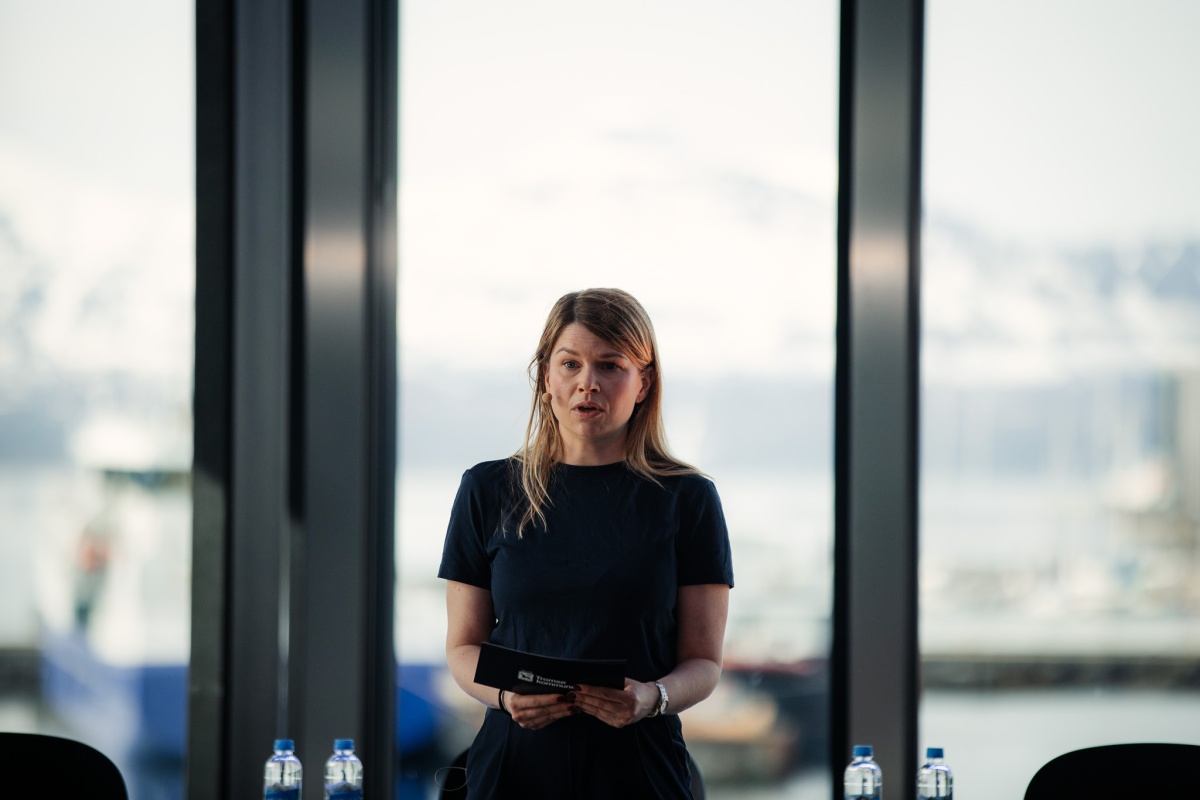
“When dealing with complex challenges, we need leaders who dare to think differently, who understand the links between the local and the global, and who recognise that sustainability is not just about technology or numbers, but about people, culture and values,” said Solbakken.
She pointed out that young leaders are already building bridges between research and management, between policy and practice, and between traditional knowledge and new systems. Solbakken also emphasised that leadership should be less about position and more about vision, collaboration and the ability to listen.
Young leadership as a driver of sustainable change
Ina Helene Ahlquist, researcher at SINTEF Ocean, followed by underlining the importance of young leadership as a driver of innovation and systemic change. She highlighted interdisciplinarity and collaboration between generations as essential to developing solutions that work in practice—for nature, industry and society alike.
“Young leadership is not just about age. It is about new ways of seeing, fresh perspectives, and the capacity for innovation and transformation. This is what we need to create genuinely sustainable solutions that endure,” said Ahlquist.

She encouraged young people to ask questions, continue learning and take responsibility, while also stressing that older generations have a duty to support and enable young leaders to exercise real influence.
Panel discussion: bridge-building and barriers
The session concluded with a panel discussion focusing on the ongoing generational shift—not only in leadership, but also in how ocean resources are understood and managed. Moderator Brynjar Saus, project manager for True North 2026, led the discussion with a panel comprising Hanna Bakke-Jensen from the Norwegian Fishermen’s Association, Vilde Gamst from Lerøy and YoungFish, Aksel Samuelsberg from UiT, and Benjamin Furuly from Troms County Council.
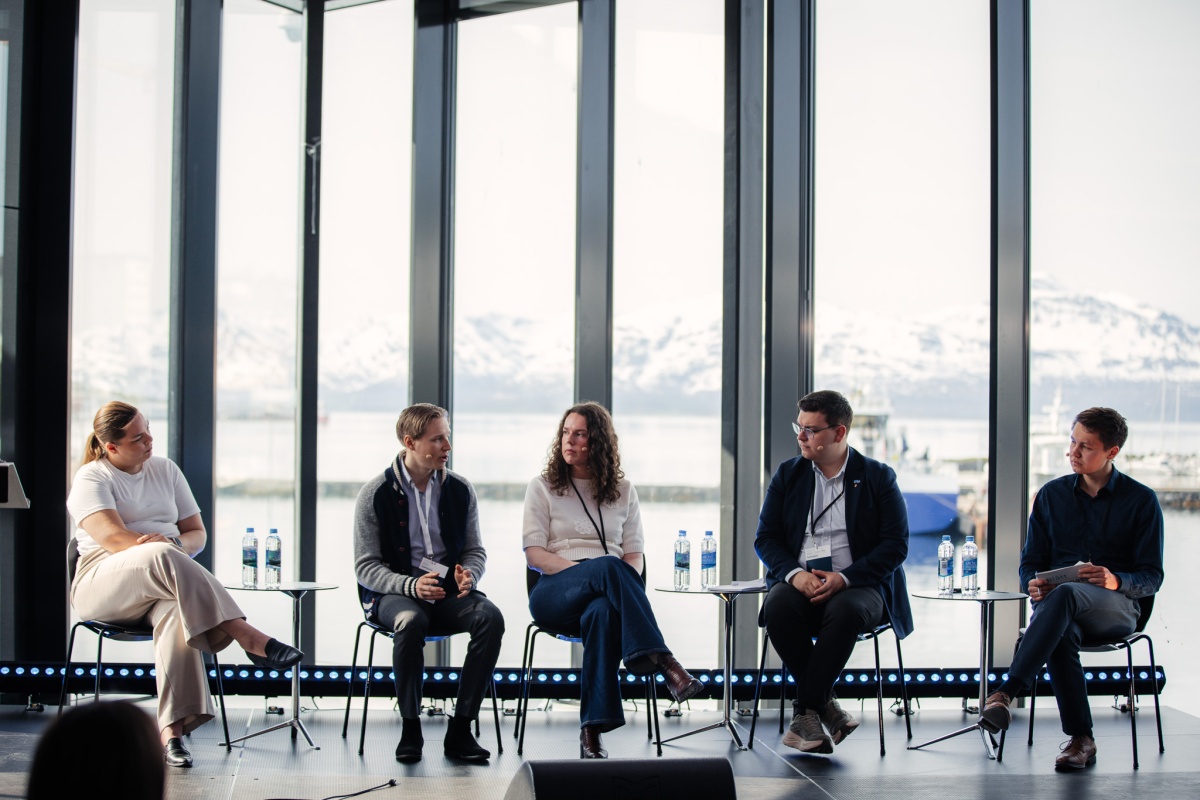
The panel highlighted both the challenges and opportunities associated with youth participation in decision-making processes. Several participants noted that young people are often required to prove their legitimacy, despite the fact that their diverse backgrounds and skills are precisely what is needed to address future challenges.
The discussion made it clear that the younger generation includes intellectually engaged and socially committed voices with both the ability and the willingness to take responsibility. At the same time, it underlined how existing structures and expectations frequently fail to facilitate meaningful youth participation.
The message from the panel was clear: the younger generation brings fresh perspectives, broad expertise and a strong capacity for change. In the face of climate change, growing conflict and the need for sustainable coexistence, these qualities are essential. To succeed in developing future solutions, young people must be given genuine opportunities for participation and influence—not at some point in the future, but now.