Hvordan jobber vi Formidling
Knowledge only creates value when it is understood and put into use. That is why we communicate insights in ways that reach a broad audience—policy-makers, industry actors, public authorities and civil society. Many of those seeking information have limited time, so we place strong emphasis on clear messages, plain language and formats that are easy to access.
The aim of our communication work is to build bridges between expertise and society. We seek to strengthen understanding of both the challenges and opportunities within the ocean sectors, and to contribute to new thinking and better decision-making. In this way, the knowledge we develop can genuinely influence practice—and support more sustainable industries and better management of shared resources.
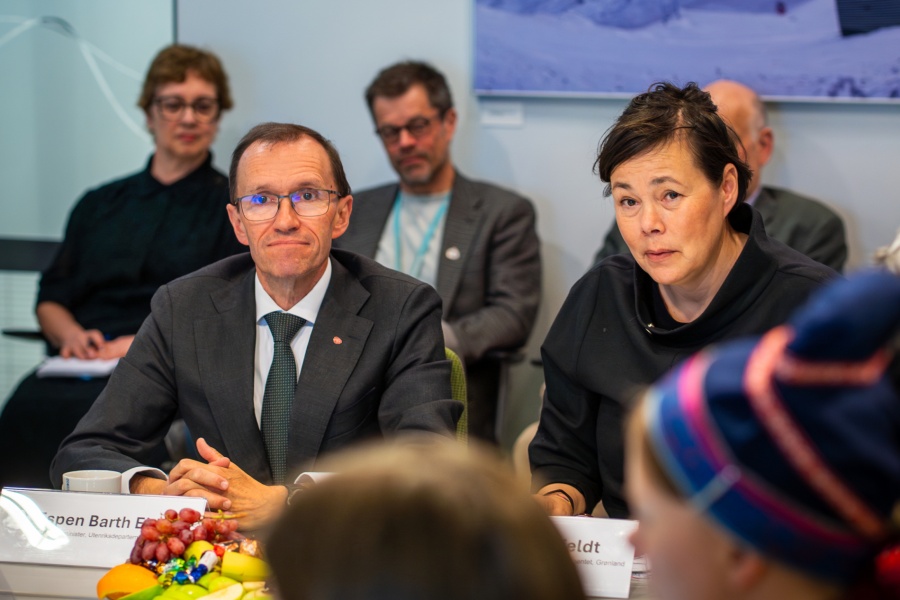
We involve experts, local communities, industry and other stakeholders throughout the process. Through roundtables, dialogue and knowledge gathering, we ensure that different perspectives are brought forward and that our analyses are grounded in a broad and neutral foundation.
Quality is a prerequisite. Everything we publish is fact-checked as thoroughly as possible, and we continuously develop routines to ensure precision, clarity and relevance.
Our policy briefs are concise, targeted documents that summarise analyses and recommendations for relevant ministries and decision-makers. Opinion pieces and commentaries allow our perspectives to reach beyond the region in which we are based, giving us visibility and relevance in the national conversation.
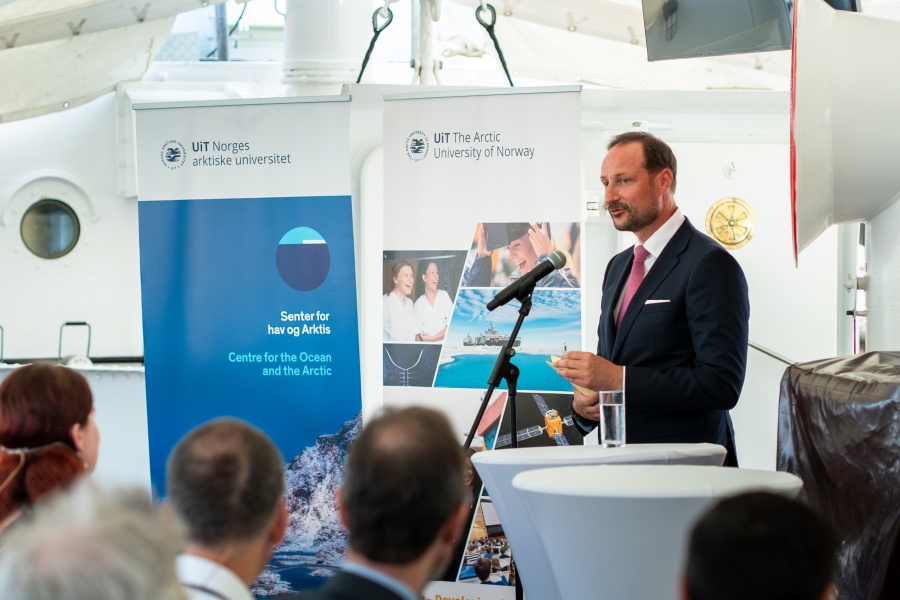
In addition, we deliver a wide range of lectures and presentations, both nationally and internationally. These provide opportunities to share insights, analyses and perspectives directly with industry, public administration, organisations and academic communities. This makes communication more dialogue-based, creates new connections and helps ensure that knowledge is put into practice.
Our communication work leads to tangible results. One example is our policy brief on marine business parks, which was used in the development of new marine spatial plans.