INTERNASJONAL HAVPOLITIKK OG ARKTIS
Det som skjer i FN, EU og på de globale arenaene for havforvaltning, får direkte konsekvenser for hverdagen i nord. Nye reguleringer, geopolitisk rivalisering og endringer i havrettens rammer påvirker både høsting, verdiskaping og Norges handlingsrom som havnasjon. I Arktis merkes dette ekstra tydelig – her møtes storpolitikk, klimaendringer og sårbare økosystemer.
For Senter for hav og Arktis handler dette temaområdet om å bygge bro: Hvordan kan internasjonale beslutninger forstås og brukes i en norsk og arktisk virkelighet – og hvordan kan nordnorske og arktiske perspektiver få tydeligere plass der havpolitikken formes?
Gjennom analyser, prosjekter og møteplasser ser vi på:
- hvordan global havpolitikk påvirker norske havnæringer og rammevilkår i nord
- hvordan Arktis presses av nye geopolitiske konstellasjoner – og hva det betyr for samarbeid og forvaltning hvordan internasjonale vernemål, som 30x30, balanseres opp mot fiskerirettigheter og næringsinteresser
- hvordan EU-regelverk og prosesser, som marine spatial planning og Ocean Pact, treffer Norge
- hvordan Norges posisjon påvirkes av spørsmål som havbunnsmineraler og internasjonale forhandlinger
- hva Norge kan lære av andre arktiske stater i møte med lignende utfordringer Internasjonal havpolitikk handler ikke bare om regler og avtaler.
Det handler om å sikre forutsigbarhet for kystsamfunn, rettferdige konkurransevilkår for næringslivet og en bærekraftig forvaltning av havområdene vi er avhengige av. Ved å følge utviklingen tett – og delta der politikken formes – bidrar HAV til å gjøre komplekse globale prosesser forståelige for norske beslutningstakere, næringsaktører og offentligheten.
Internasjonale verv
FNs klimapanel (IPCC)
Jan-Gunnar Winther var en av hovedforfatterne på Climate Change 2013: The Physical Science Basis. Deltakelsen gir Senter for hav og Arktis en tydelig faglig forankring når vi kobler klimaendringer til hav og Arktis. (Jan-Gunnar Winther)
World Economic Forum – Friends of Ocean Action
Et globalt nettverk som driver fram løsninger på havutfordringer. Gjennom dette arbeidet får HAV tidlig innsikt i trender og prioriteringer som preger internasjonal havpolitikk. (Jan-Gunnar Winther)
China Council for Cooperation on Environment and Development
Et rådgivende organ for kinesiske myndigheter om klima og miljø. Winthers deltakelse gir HAV tilgang til unike perspektiver på hvordan stormakter tilnærmer seg havpolitikk. (Jan-Gunnar Winther)
Expert Group for the High Level Panel for a Sustainable Ocean Economy
Ekspertgruppen gir råd til regjeringsledere i utviklingen av politikk for bærekraftig havøkonomi. Senter for hav og Arktis bidrar til at erfaringer fra Norge og Arktis løftes inn i dette arbeidet. Senteret ledet havpanelets rapport om helhetlig havforvaltning. (Jan-Gunnar Winther)
Horizon Europe – Mission Board “Restore our Ocean and Waters”
EUs flaggskip for hav og vann frem mot 2030, med særlig fokus på Atlanterhavs–Arktis-regionen. Deltakelsen gir HAV en stemme i utformingen av Europas havpolitikk. (Jan-Gunnar Winther)
United Arab Emirates Polar Program Board
En plattform som fremmer polarforskning og samarbeid med nye aktører. HAV får tilgang til partnerskap og perspektiver fra land som satser på polarpolitikk. (Jan-Gunnar Winther)
Sasakawa Peace Foundation – Non-Resident Fellow
En japansk tankesmie som arbeider med internasjonal politikk, sikkerhet og bærekraftig utvikling. Rollen bidrar til strategisk planlegging og utvikling av internasjonale samarbeidsinitiativ. (Gunnar Rekvig)
GlobalArctic Project – Deputy Director, Geneva Centre for Security Policy
Et internasjonalt prosjekt som analyserer Arktis i et sikkerhets- og geopolitisk perspektiv. Rollen bidrar til utvikling av analyser og dialog om Arktis i internasjonal politikk og sikkerhet. (Gunnar Rekvig)
Palgrave Research in Peace Studies – Editor-in-Chief, Palgrave Macmillan
En internasjonal bokserie om freds- og konfliktstudier som samler forskning fra ledende akademikere. Rollen innebærer faglig ledelse og redaksjonelt ansvar for utviklingen av serien. (Gunnar Rekvig)
Global Campus Program – Coordinator and Lecturer, Tokyo University of Foreign Studies
Et internasjonalt undervisningsprogram med fokus på globale spørsmål, diplomati og internasjonalt samarbeid. Rollen innebærer koordinering av programmet og undervisning for studenter fra ulike land. (Gunnar Rekvig)
Publikasjoner
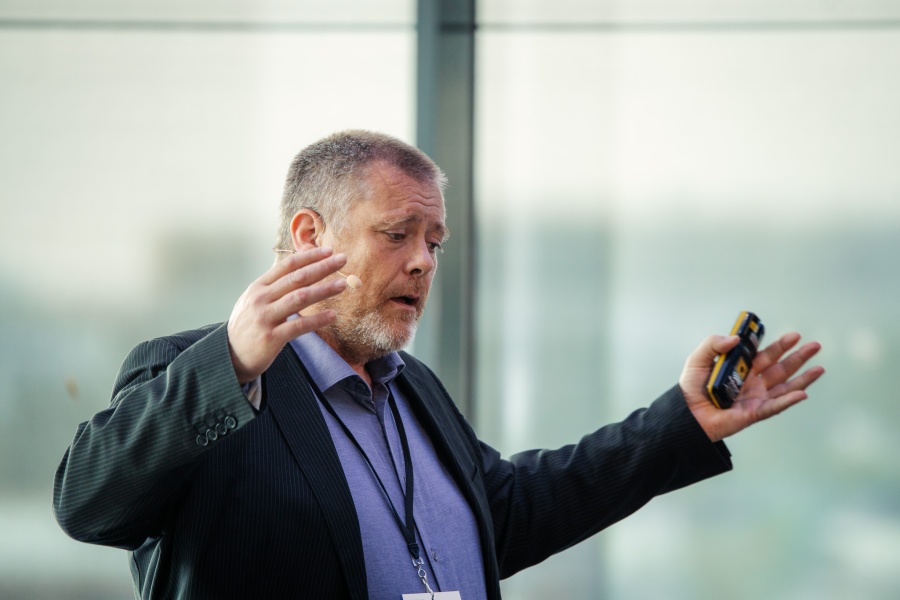
I nordområdene går klimaendringene opp til fire ganger raskere enn i resten av verden. Hvordan skal vi forstå, forvalte og samarbeide i et Arktis som endrer seg så dramatisk? Dette var utgangspunktet for sesjonen «Hva skjer når isen i Arktis smelter?» under konferansen Blått Kompass 2025.
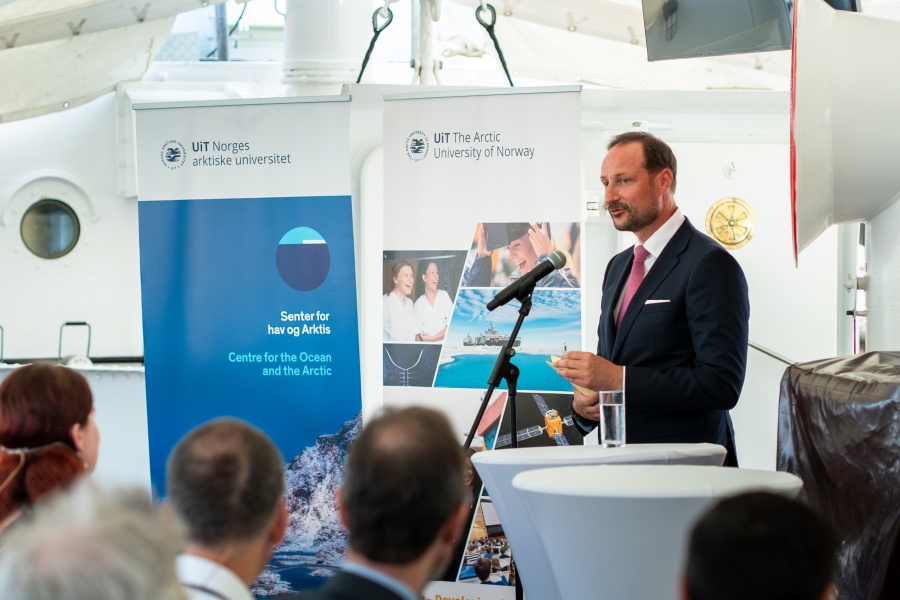
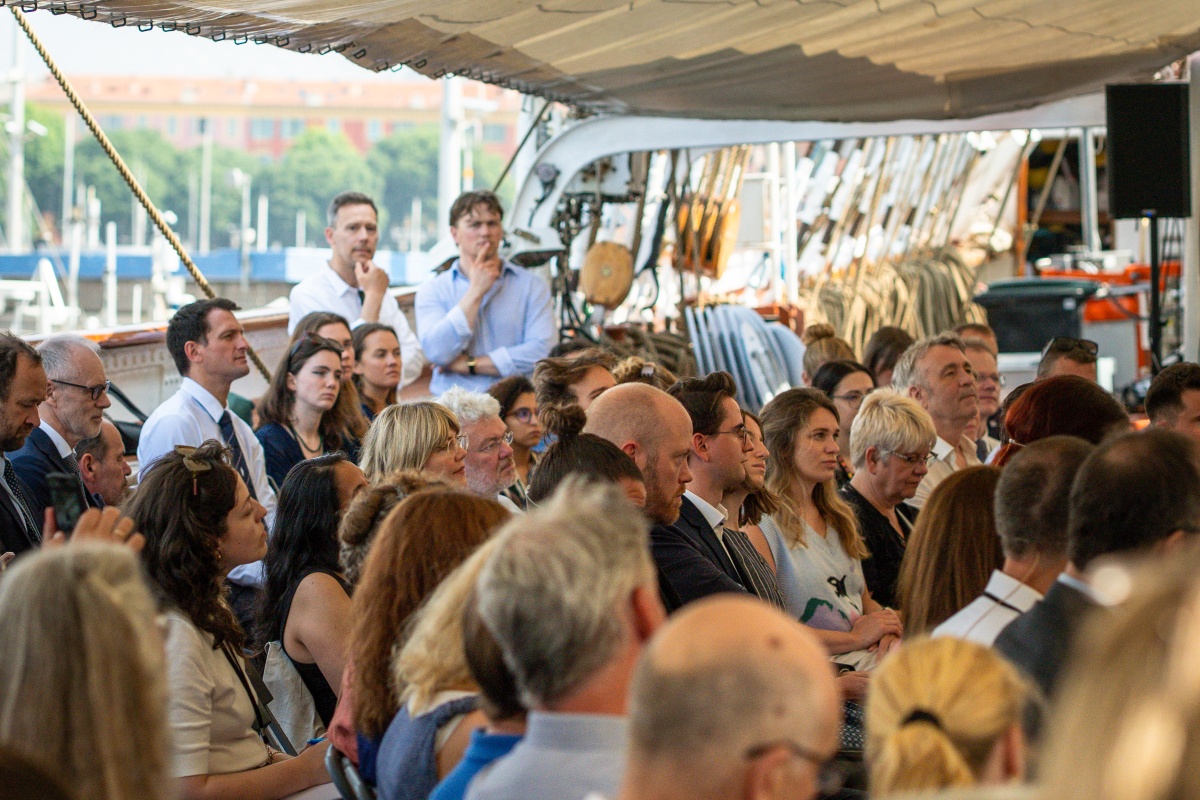
The Centre for the Ocean and the Arctic held project management responsibility for UiT’s side event Arctic Future Pathfinders at the UN Ocean Conference in Nice in June 2025.
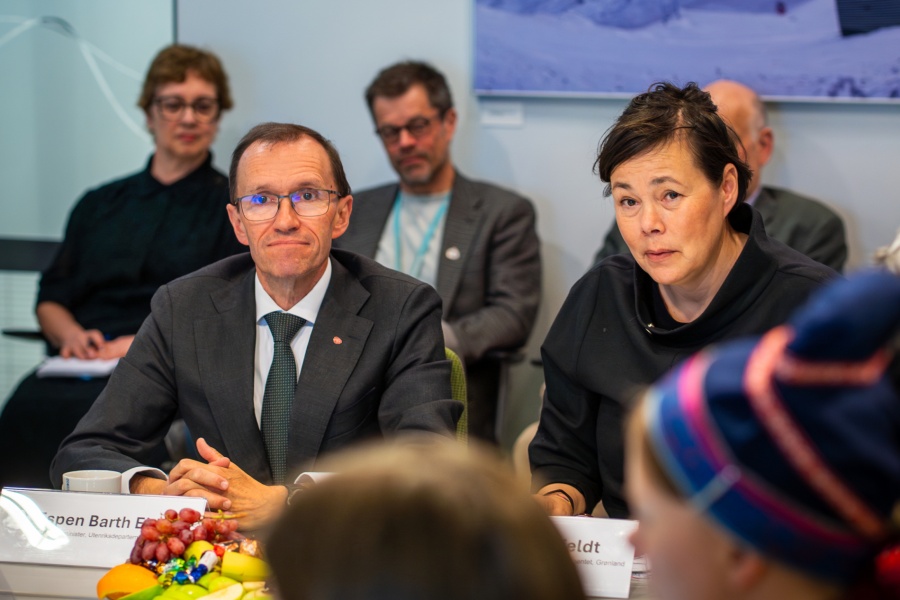
When Greenland and Denmark, assumes the chairmanship of the Arctic Council, cooperation, Indigenous knowledge, and science are highlighted as key factors for sustainable development in a changing Arctic.