SAMFUNN OG NÆRING
Samfunnene i nord er i rask endring. Globale drivkrefter som klima, demografi, sikkerhetspolitikk og teknologi merkes direkte her – i små lokalsamfunn, i næringer som er tett knyttet til havet og i kulturer som har røtter langt tilbake. Når presset øker, blir også spørsmålene om arbeidsplasser, levekår, språk og identitet mer påtrengende.
For Senter for hav og Arktis handler dette temaområdet om å forstå helheten: Hvordan kan vi sikre livskraftige samfunn, rettigheter og lokal forankring samtidig som vi utvikler havnæringene på en bærekraftig måte?
Gjennom prosjekter, analyser og møteplasser ser vi på:
- hvordan økende interessekonflikter mellom næringsaktører, lokalbefolkning og urfolk påvirker tillit og fellesskap
- hvordan demografiske endringer – fraflytting, aldring og migrasjon – former grunnlaget for bosetting og næringsliv
- hvordan sosial bærekraft, likestilling, inkludering og urfolks- og menneskerettigheter påvirker utviklingen langs kysten hvordan kvotepolitikk, fiskeriforvaltning, havvind, reiseliv og sjømatnæring virker inn på lokalsamfunn
- hvordan sjøsamiske og andre urfolks rettigheter og kunnskap kan integreres i forvaltning og næringsutvikling
Samfunn og næring er avgjørende for en bærekraftig sameksistens til havs. Skal vi skape verdier og sikre god forvaltning, må folk kunne bo, jobbe og leve gode liv langs kysten. Dette er selve grunnlaget for utviklingen i nord – og for at havet også i framtiden skal være en bærekraftig ressurs.


Publikasjoner

Når plasten samler seg på avsidesliggende strender, trengs båter, frivillige og utholdenhet for å rydde den norske kysten.

Framtidens havbruk bygges gjennom samarbeid mellom fag, mennesker og kystsamfunn.
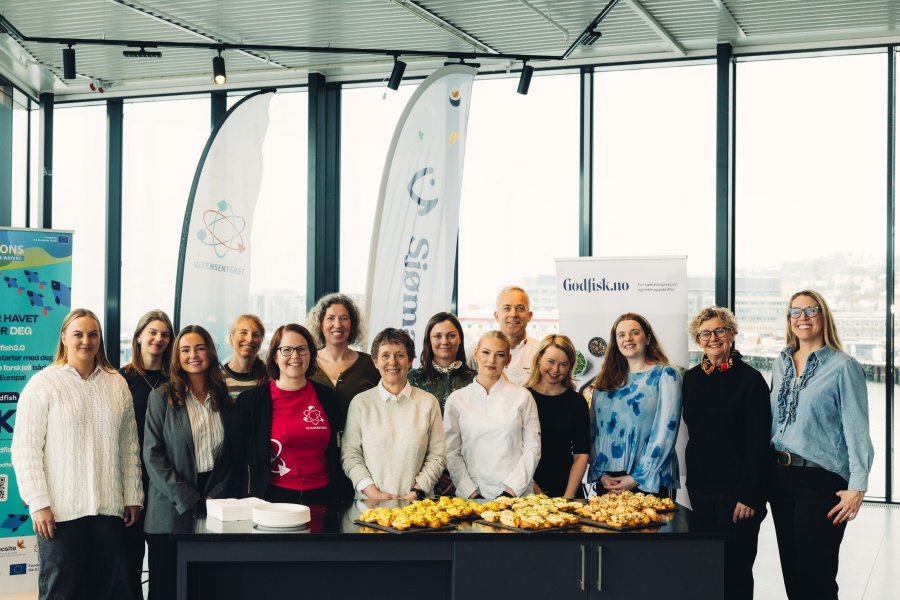
Fra 8. til 14. juni samler Havuka hele Tromsø til en felles feiring av havet – med sjømat, kunnskap, aktiviteter og opplevelser over hele byen. Programmet formes av forskningsmiljøer, restauranter, museer, skoler, næringsliv og organisasjoner.